Hundreds
of stray dogsChallenge
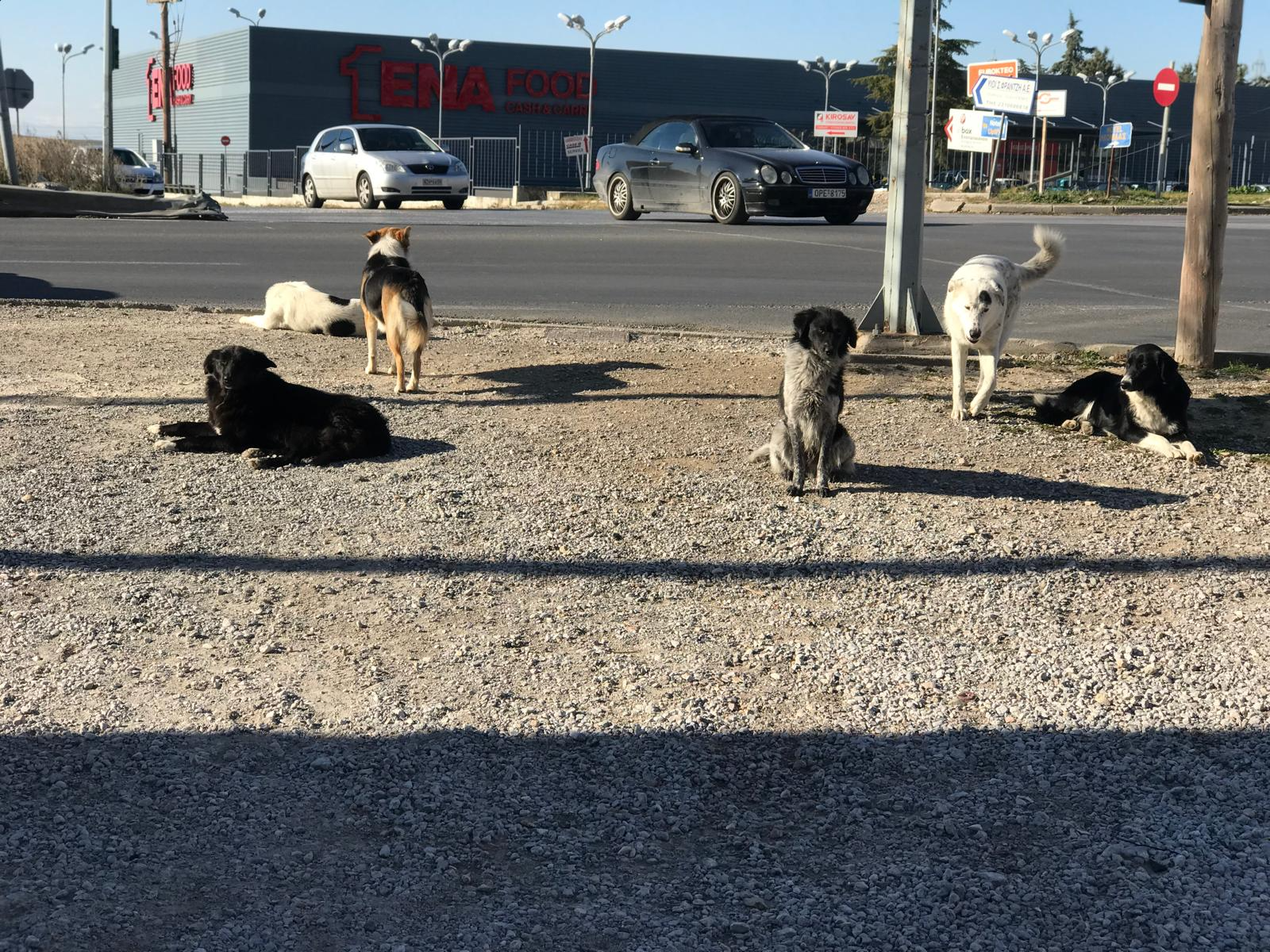
Despite live shelters and TNVR programmes, stray population in Aegina remained persistently high. Reactive measures alone could not keep pace with the rate of new strays entering the system.
A scalable, effective stray animal reduction model worth expanding
A strategic partnership delivering measurable results in companion animal management
Only organization that knows how to reduce strays sustainably and avoids a public health risk
The first programme that treated stray management as a system, not a symptom
Stray animal populations cost municipalities billions annually \u2014 through animal control operations, public health responses, road accident liability, and suppressed tourism and investment in affected areas.
% of total dog population, illustrative
Figure: illustrative breakdown of population flow
The problem is too large in scale to be addressed through reactive measures alone, such as building shelters.
The root cause is a structural supply-demand imbalance between the number of dogs and cats and the availability of suitable homes.
It requires a stable evidence-based prevention model that address the root causes systematically and sustainably to reduce this overpopulation.
Learn Our SolutionAn end-to-end solution builds on existing reactive stray management measures while prioritizing preventative interventions that are essential for successfully reducing stray animal populations sustainably.
"Preventing is better than curing"
— Hippocrates, 5th century BCStrategic advocacy at governments on solving animal welfare and stray dog/cat challenges humanely. We work directly with municipal leadership to embed prevention-first thinking into policy frameworks, budget cycles, and operational priorities.
Community campaigns that shift cultural attitudes toward responsible pet ownership u2014 covering sterilization, registration, and the true cost of abandonment.
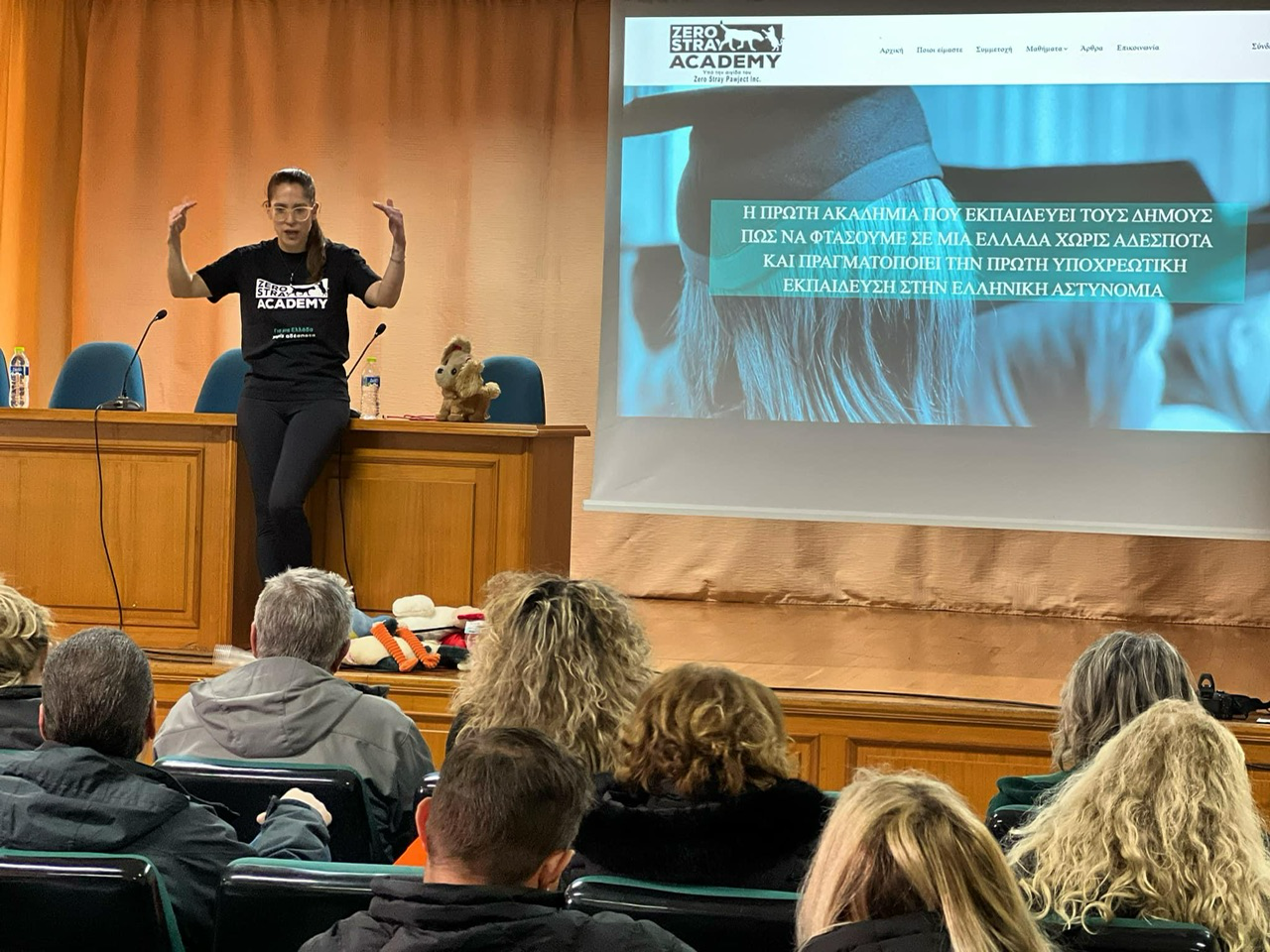
Mandatory training academies for municipalities, police, judiciary, and veterinarians u2014 translating national legislation into daily operational practice.
Universal identification and registration so every animal is traceable to an accountable owner u2014 the backbone of enforcement and data-driven policy.
Subsidized, targeted sterilization programmes that close the gap between animal supply and the availability of suitable homes.
Training and operational support for police and prosecutors so that abandonment and neglect carry real, consistent consequences.
Prevention costs a fraction of perpetual reactive management u2014 freeing municipal budgets for services that benefit the whole community.
Despite live shelters and TNVR programmes, stray population in Aegina remained persistently high. Reactive measures alone could not keep pace with the rate of new strays entering the system.
Prevention-first framework deployed across the municipality: a mandatory dog registry was introduced, responsible ownership practices were reinforced, and authorities from multiple agencies were trained together.
85% reduction in stray dogs by balancing demand and supply humanely. Over 75% microchipped, 85% sterilized. Aegina became the first municipality in Greece to demonstrate a replicable, evidence-based model.
Mandatory training for municipal officials on prevention-first stray management u2014 covering registries, sterilization programmes, budgeting, and inter-agency coordination.
Over 2,600 law enforcement officers trained to apply animal welfare legislation consistently u2014 from identification checks to abandonment investigations.
120+ judges and prosecutors trained on animal welfare case law, ensuring violations carry real and consistent legal consequences.
Clinical and regulatory training for veterinarians on microchipping, registration compliance, and municipal sterilization programmes.
 The Wall Workshop
Field Assessment
The Wall Workshop
Field Assessment
 Responsible Ownership
On permanent municipal costs for stray animal compliance management within the first programme cycle.
Of programme municipalities now have a verified municipal dog registry with sustained compliance.
Peak reduction achieved when prevention measures operate alongside reactive management — sealing the inflow.
Municipalities and communities across Greece reached through training, programmes, and partnerships.

Partner logos shown are representative examples — view all partners and supporting institutions.
Safer, healthier communities where pet supply and demand are balanced, companion animals live according to the Five Freedoms, and responsible ownership is high. Increased spending per pet supports veterinary sector growth and the broader economy, while a One Health approach is embedded and low-income families have access to veterinary care.
"True change happens when we address root causes systematically, not just treat symptoms reactively."
Do you want the ZSP Model in your local community, region, or country? Reach out to us.
"True change happens when we address root causes systematically, not just treat symptoms reactively."